
All I wanted was nicer lights
Two paper festival lanterns came with small ugly lights you turn on by hand. Replacing them turned into my first physical electronics project, and somehow ended with a circuit board at a factory.
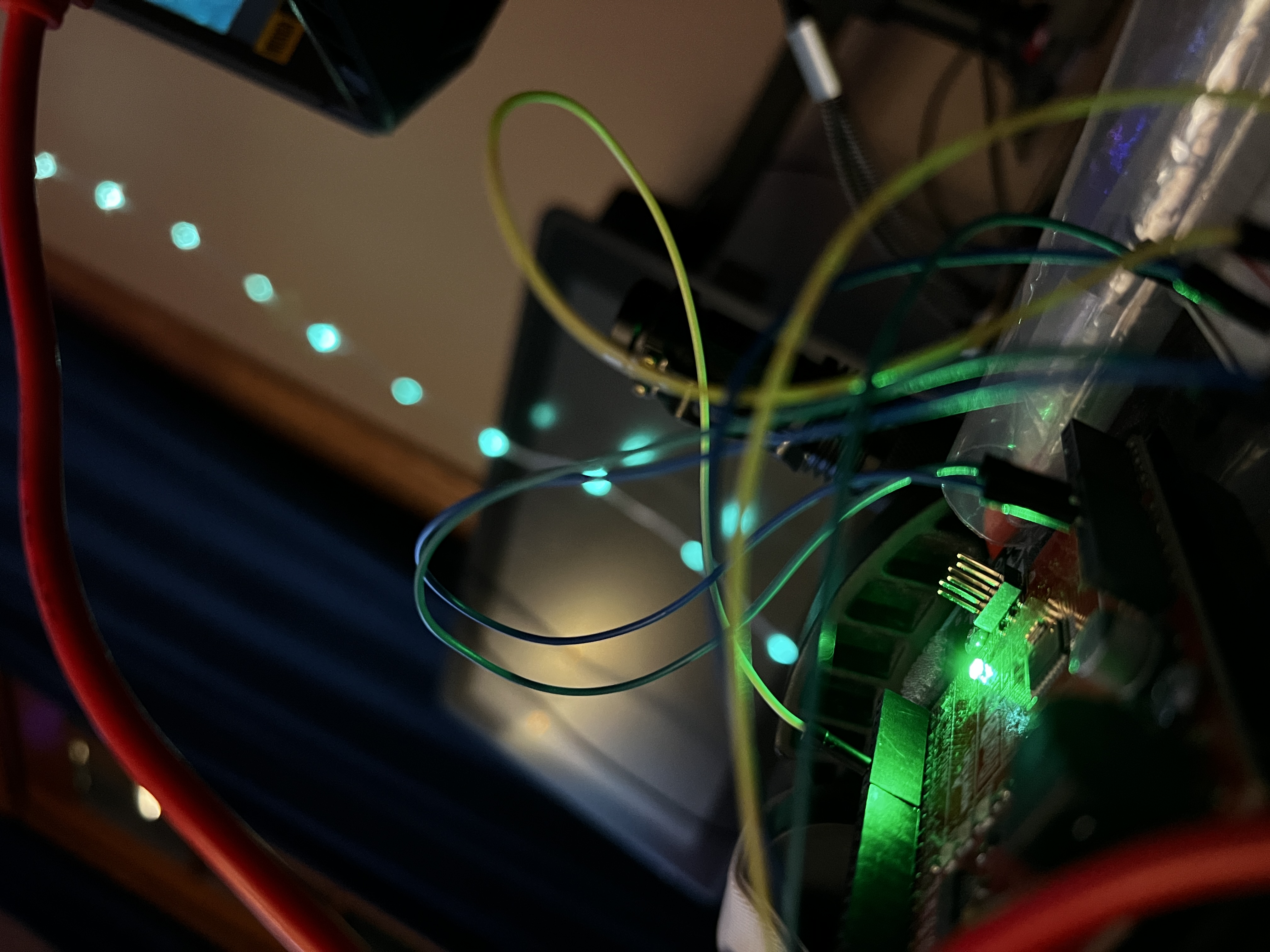
We picked up two paper lanterns at a lantern festival in Seattle, a Fremont Arts Council thing at Green Lake. I think the festival was Luminata, but I wouldn’t swear to it. Each lantern came with a small ugly white light inside, the kind you have to physically twist to turn on. I had wanted to upgrade them for a while.
But nicer lights was the excuse. I have spent almost twenty-five years taking an idea all the way to a shipped thing in video games, and never once done it for physical electronics. Two paper lanterns felt like a simple project I could use to find out what that actually takes.
No instructions this time
I already had components and a soldering iron. I had tinkered before, put together a few hobby kits, the kind where the instructions tell you which leg goes in which hole. What I had never done was point any of it at a project that was only mine.
I do love how solder behaves. Liquid metal one second, solid the next, cooling that fast. So neat. I melt little beads for longer than any job needs. My first purchase after the first time soldering was a fan with a filter to pull the fumes off, because so many fumes.
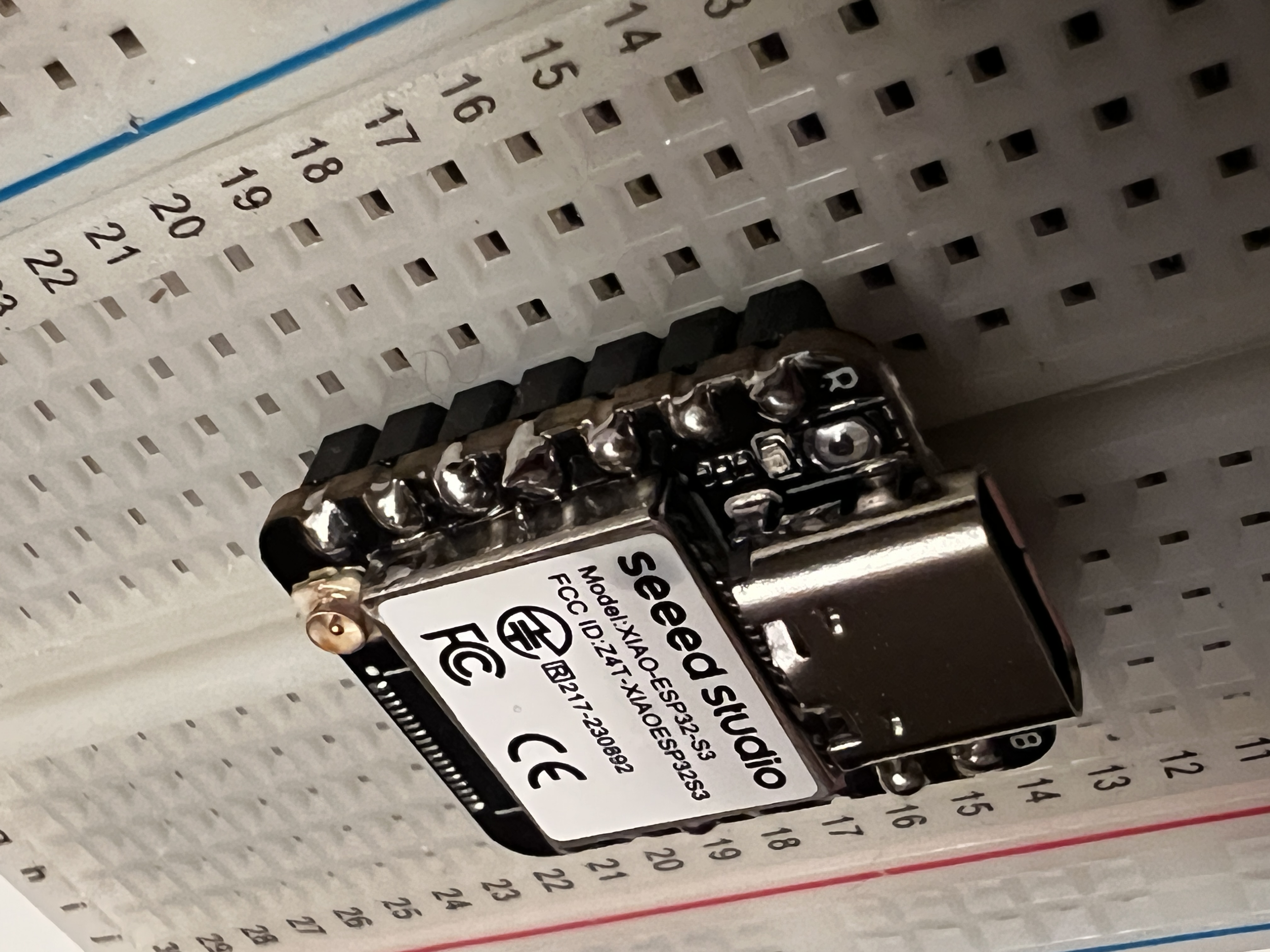
The setup is simpler than it sounds. Each lantern hangs from a hook taped to the end of a bamboo pole. I didn’t tear anything down, didn’t even remove the original light, just strung addressable LEDs inside in a spiral-ish pattern. The part I like least is running the wires up the pole. I would rather have a hollow pole I could thread them through. For now it is taped.
I don’t remember the original ask exactly. I think I just wanted to control the colors and the timing, and have them turn themselves on and off based on how bright the room was.
So much for simple
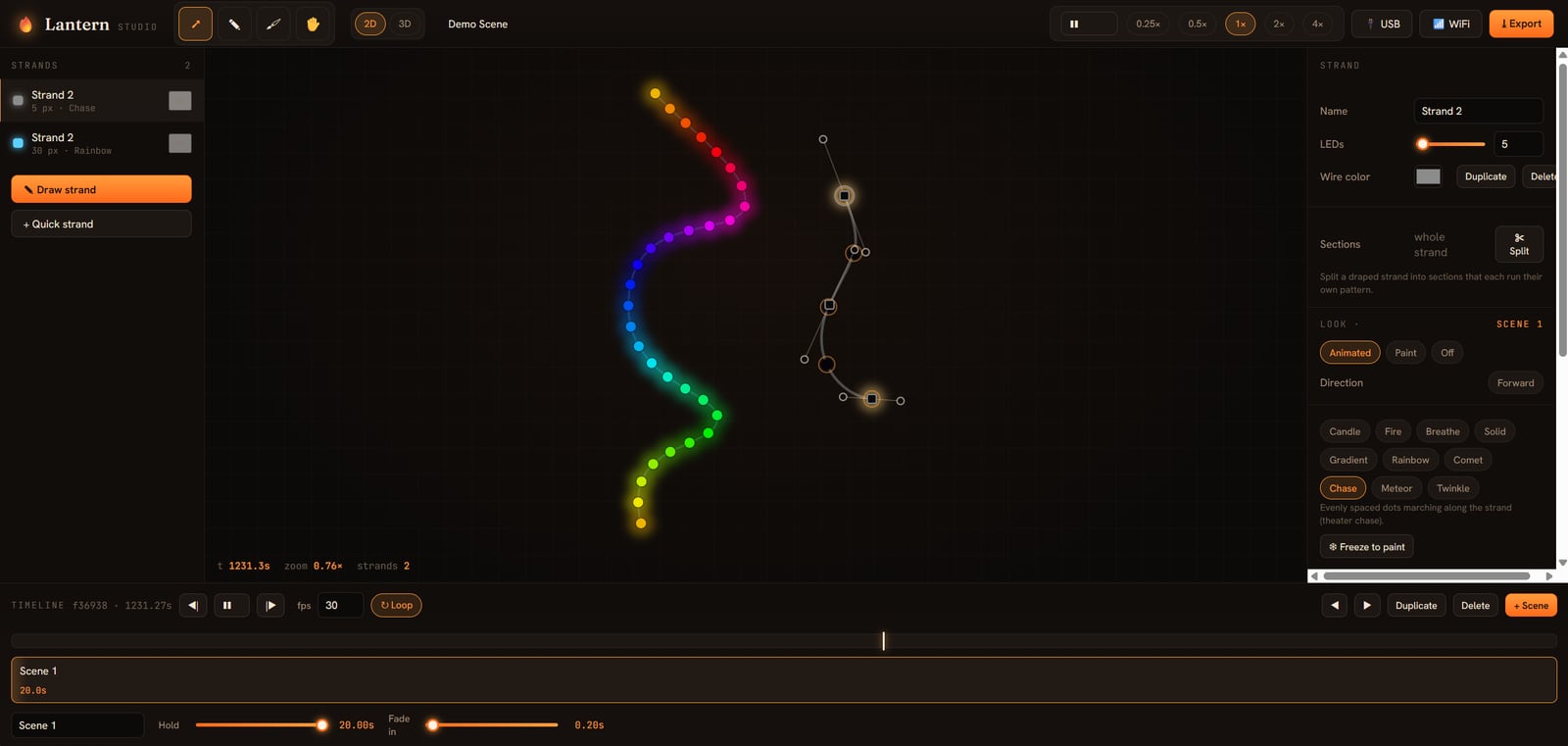
Editing the patterns meant changing code and re-uploading every time, which is miserable, so I built a little tool to draw them instead. Then the tool grew a 3D preview so I could see how a strand would actually look in my room before hanging it. Then it got a name, Lantern Studio. Then I designed a real circuit board and sent it to a factory. For two paper lanterns.
We only bought two lanterns, so two got the upgrade. One of them, by pure luck, looks like a Boo, the shy little ghost from Mario. That is actually why we bought it.
It is not the first physical thing I have made, I have made plenty of things. It is the first one with electronics in it. And the lights are much nicer.
all Lantern updates